Financial markets don’t exist in isolation—they respond constantly to global economic events. From central bank decisions to trade disputes, these developments can create ripples that affect everything from stock prices to bond yields and commodity costs. For investors, understanding these connections is key to making informed decisions and protecting long-term wealth.
Interest Rate Decisions
When central banks raise or lower interest rates, the impact is felt across asset classes. Higher rates generally weigh on stocks by increasing borrowing costs, while boosting bond yields and strengthening local currencies. Conversely, rate cuts often support equities and risk assets but may weaken a currency.
Inflation and Commodity Prices
Global inflation trends—shaped by supply chain disruptions, energy prices, or consumer demand—directly affect markets. Rising inflation tends to hurt bonds and pressure stocks, while commodities like gold and oil often benefit as investors seek hedges against price increases.
Trade and Geopolitical Tensions
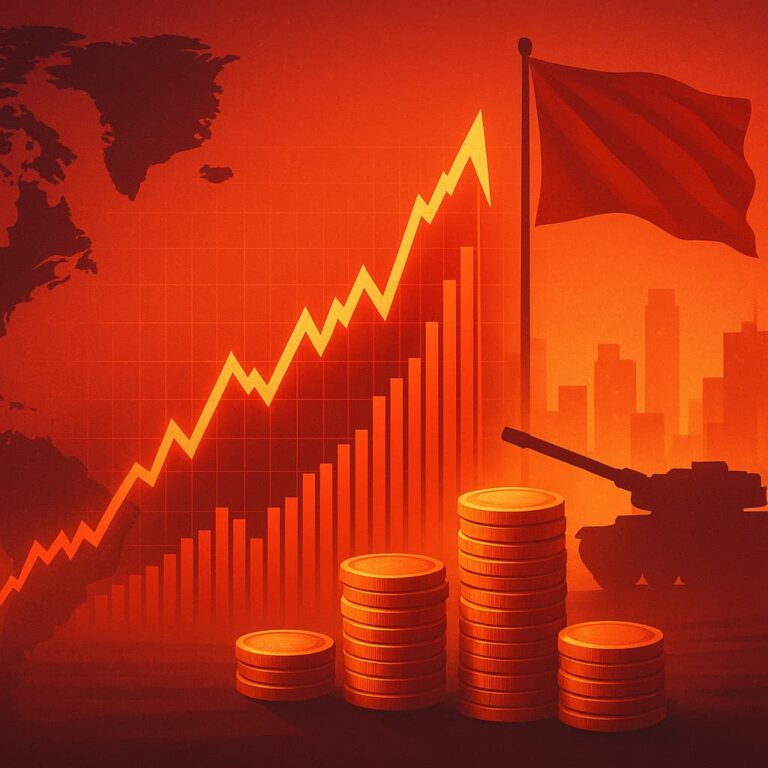
Trade wars, sanctions, or regional conflicts can disrupt supply chains and shift investor sentiment. Equity markets may react sharply to uncertainty, while safe-haven assets such as gold, the U.S. dollar, and government bonds often see increased demand.
Currency Movements
Global events often drive shifts in currency markets. A strong U.S. dollar can hurt emerging markets by increasing debt burdens, while a weaker dollar often supports commodities and international equities. For investors with global portfolios, currency swings can significantly affect returns.
Global Growth and Recession Fears
Economic slowdowns in major economies like the U.S., China, or the EU often spill over into global markets. Signs of slowing growth may weigh on cyclical stocks but support defensive sectors and bonds as investors shift to safer assets.
What Investors Can Do
- Stay Diversified: Spread investments across asset classes and regions to reduce exposure to any single event.
- Think Long Term: Short-term market swings often overreact to headlines. Focus on fundamentals and long-term goals.
- Monitor Key Indicators: Keep an eye on inflation data, interest rate moves, and global growth forecasts.
- Balance Risk: Defensive sectors and safe-haven assets can help cushion portfolios during periods of uncertainty.
Final Thoughts
Global economic events will always play a role in shaping market behavior. While investors cannot control these developments, they can prepare for them. By staying informed, diversified, and disciplined, you can navigate uncertainty and turn global shifts into long-term opportunities.