When it comes to investing, returns matter — but so do taxes. You can make all the right investment choices, only to lose a significant portion of your gains to taxes if you don’t plan strategically.
That’s where tax-efficient investing comes in. It’s the practice of structuring your portfolio and investment decisions to minimize taxes, allowing you to keep more of what you earn and grow your wealth faster over time.
Why Tax Efficiency Matters
Every time you earn dividends, realize capital gains, or withdraw from certain accounts, you may owe taxes. Over years or decades, these taxes can quietly erode your returns — especially if you trade frequently or hold high-yield investments in taxable accounts.
By investing with tax efficiency in mind, you can:
- Reduce unnecessary tax drag on your portfolio.
- Improve your after-tax returns.
- Align your investments with your long-term financial goals.
In short, tax efficiency doesn’t mean avoiding taxes — it means managing them wisely.
Understanding How Investments Are Taxed
To invest tax-efficiently, you need to understand the basic types of taxable income:
- Interest Income:
- Earned from savings accounts, bonds, and CDs.
- Typically taxed at your ordinary income rate.
- Dividends:
- Qualified dividends are taxed at lower long-term capital gains rates.
- Non-qualified dividends are taxed as ordinary income.
- Capital Gains:
- Short-term gains (held <1 year) are taxed at your ordinary income rate.
- Long-term gains (held >1 year) are taxed at reduced rates.
Knowing these distinctions helps you decide where and how to hold each type of investment.
1. Use Tax-Advantaged Accounts Wisely
The foundation of tax-efficient investing is account placement — choosing the right accounts for different types of investments.
- Tax-Deferred Accounts (e.g., 401(k), Traditional IRA):
- Contributions may reduce taxable income now.
- Taxes are paid later upon withdrawal.
- Best for income-generating assets (like bonds).
- Tax-Free Accounts (e.g., Roth IRA, Roth 401(k)):
- Contributions are made with after-tax dollars.
- Growth and withdrawals are completely tax-free if conditions are met.
- Ideal for growth assets like stocks and ETFs.
- Taxable Accounts:
- No special tax treatment, but offer flexibility.
- Best for tax-efficient investments like index funds or municipal bonds.
2. Practice Smart Asset Location
Different investments have different tax profiles — and where you hold them can make a big difference.
| Investment Type | Best Held In | Why |
|---|---|---|
| Bonds / REITs | Tax-deferred (IRA, 401k) | Interest is taxed at high ordinary rates |
| Stocks / ETFs | Taxable or Roth | Favorable long-term capital gains rates |
| Municipal Bonds | Taxable Account | Often exempt from federal (and sometimes state) taxes |
Strategically placing assets based on their tax characteristics is one of the simplest yet most effective ways to reduce tax drag.
3. Take Advantage of Tax-Loss Harvesting
When markets dip, savvy investors don’t panic — they harvest losses.
Tax-loss harvesting involves selling investments at a loss to offset capital gains from other investments. The realized losses can:
- Offset up to $3,000 of ordinary income per year.
- Be carried forward to future years if losses exceed that amount.
Just be mindful of the “wash-sale rule,” which disallows a deduction if you buy a substantially identical security within 30 days.
4. Focus on Long-Term Investing
The tax code rewards patience. Holding investments for more than one year qualifies you for lower long-term capital gains tax rates.
Frequent trading not only increases transaction costs but also triggers short-term gains taxed at higher rates. Staying invested longer allows both your money and your tax advantages to compound.
5. Choose Tax-Efficient Investment Vehicles
Some funds are designed to minimize taxable distributions. Examples include:
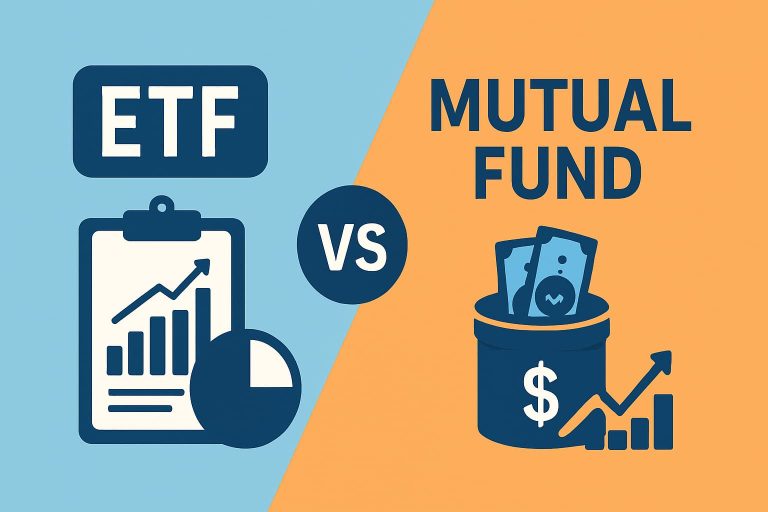
- Index funds and ETFs: Lower turnover = fewer capital gains.
- Tax-managed funds: Specifically structured to reduce tax liability.
- Municipal bond funds: Interest is often tax-exempt.
Before investing, review a fund’s tax-cost ratio — it shows how much taxes have reduced annual returns historically.
6. Consider Timing and Withdrawal Strategy
In retirement, the order in which you withdraw funds can impact how long your savings last.
A tax-smart withdrawal strategy might look like this:
- Withdraw from taxable accounts first.
- Then tap tax-deferred accounts.
- Save Roth withdrawals for last (to maximize tax-free growth).
Coordinating withdrawals with your income levels and tax brackets can preserve wealth and reduce unnecessary taxes.
Final Thoughts
Taxes are an inevitable part of investing — but paying more than necessary doesn’t have to be.
By using tax-advantaged accounts, managing asset location, and practicing long-term, disciplined investing, you can minimize your tax burden and let more of your money work for you.
Tax-efficient investing isn’t about beating the system — it’s about understanding it and making it work in your favor.
Small adjustments today can translate into significant after-tax gains tomorrow.